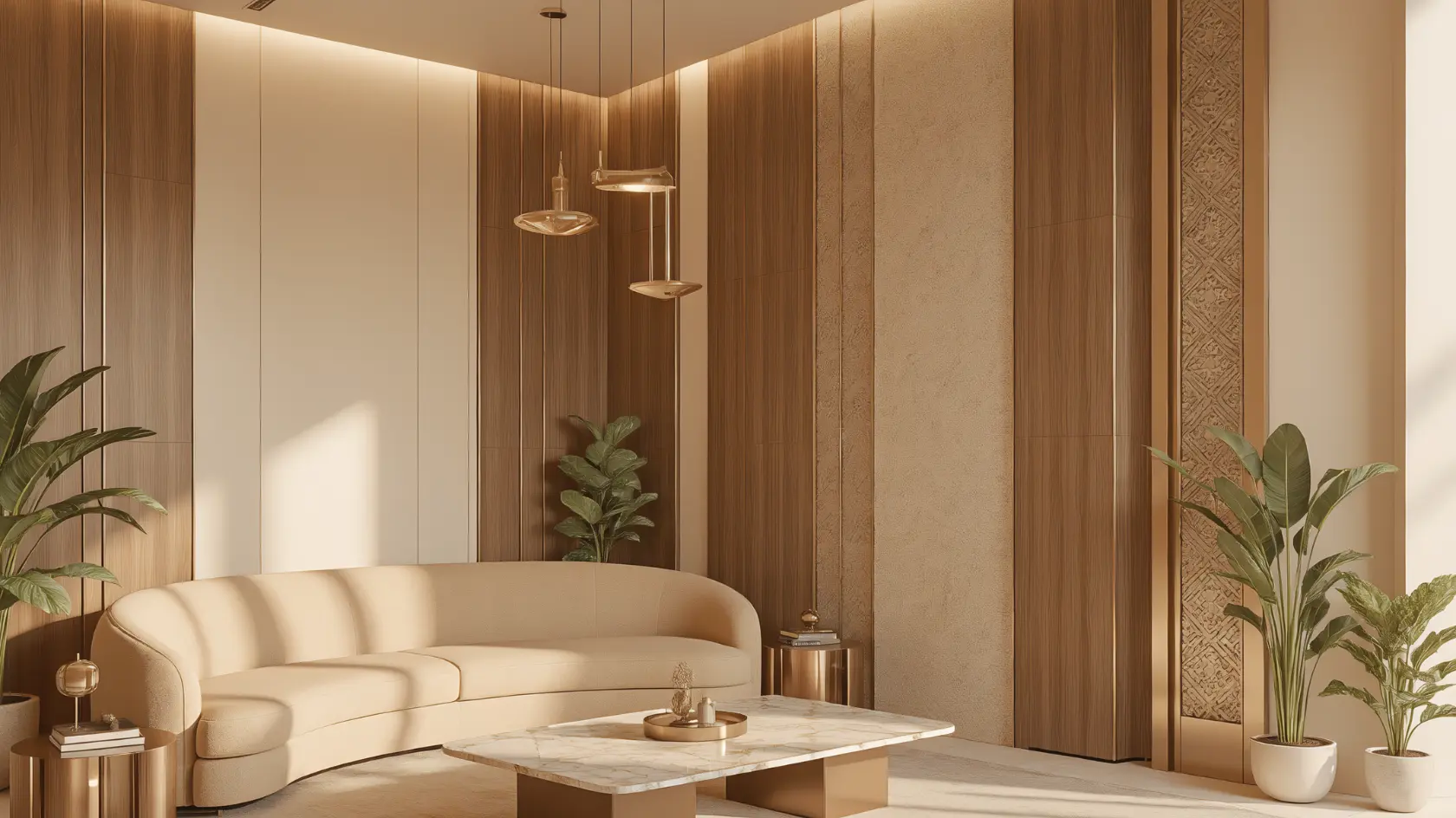
Top Interior Design Trends in Saudi Arabia for Modern Homes
Interior design in Saudi Arabia is evolving as homeowners look for spaces that combine modern elegance, comfort, functionality, and cultural identity. From contemporary villas and luxury apartments to spacious family homes, modern interiors are increasingly focused on creating environments that reflect personal lifestyles while making everyday living more comfortable.
Today’s homeowners are exploring warm neutral colours, natural materials, elegant furniture, smart home technology, and practical space planning. Traditional Saudi design elements are also finding new expressions through contemporary furniture, decorative patterns, modern arches, and customised interior details.
Whether you are planning a new villa, renovating an apartment, or refreshing your existing home, understanding the latest interior design trends in Saudi Arabia can help you make better design decisions.
In this guide, we explore the top interior design trends for modern Saudi homes and explain how to incorporate them into different living spaces.
1. Modern Saudi Interior Design: Combining Tradition and Contemporary Style
One of the most distinctive directions in Saudi interior design is the combination of traditional Arabian elements with modern design principles.
Rather than recreating traditional interiors completely, homeowners can introduce selected cultural details into contemporary spaces.
Popular design elements include:
- Modern Arabic arches and architectural details.
- Geometric decorative patterns.
- Mashrabiya-inspired wooden screens.
- Locally inspired artwork.
- Traditional design influences in modern majlis spaces.
- Contemporary furniture with subtle heritage details.
For example, a modern majlis can feature simple furniture, warm lighting, neutral walls, and a decorative wooden screen inspired by traditional Arabian craftsmanship.
The result is an interior that feels contemporary while maintaining a connection to local identity.
2. Warm Neutral Colors and Earthy Color Palettes
Neutral colors remain a popular choice for modern residential interiors because they create a calm and balanced atmosphere.
Warm shades are particularly suitable for homes where comfort and understated elegance are important.
Popular color choices include:
- Warm beige
- Cream and ivory
- Sand and light brown
- Taupe
- Greige
- Soft white
- Terracotta
- Olive green
These colors can be used across walls, flooring, furniture, curtains, and decorative accessories.
How to Use Neutral Colors
Use lighter shades for larger surfaces such as walls and ceilings. Introduce darker or warmer tones through furniture, rugs, cushions, wooden finishes, and decorative details.
For example, a cream living room can be complemented by a walnut coffee table, beige upholstered furniture, and olive-green cushions.
This approach creates depth without making the interior visually crowded.
3. Natural Materials: Wood, Stone, and Marble
Natural-looking materials are becoming an important part of contemporary residential interiors.
Wood, stone, marble, and textured finishes introduce warmth and visual depth while creating a sophisticated appearance.
Popular material applications include:
Wood Finishes: Used in wall panels, wardrobes, kitchen cabinets, doors, and custom furniture.
Natural Stone: Suitable for selected feature walls, flooring, and decorative architectural details.
Marble: Often used for countertops, flooring, coffee tables, and statement surfaces.
Textured Finishes: Add character to walls and selected furniture elements.
Natural Fabrics: Linen, cotton, and other textured upholstery materials can introduce softness and comfort.
When selecting materials, consider durability, cleaning requirements, sunlight exposure, and the intended use of each room.
4. Quiet Luxury: Elegant Interiors Without Excessive Decoration
Quiet luxury is an interior design approach that focuses on quality, simplicity, and refined details rather than excessive decoration.
Instead of filling rooms with numerous decorative elements, this style uses carefully selected materials, furniture, lighting, and finishes.
Common characteristics include:
- Clean architectural lines.
- High-quality-looking materials.
- Neutral and coordinated colors.
- Custom furniture.
- Subtle decorative details.
- Concealed storage.
- Balanced lighting.
A living room designed around quiet luxury might feature a comfortable sofa, a stone coffee table, elegant wall paneling, and warm indirect lighting.
The objective is to create a sophisticated interior that remains comfortable and practical.
5. Modern Arabic Majlis Design
The majlis remains an important part of many Saudi homes. Modern majlis interiors combine hospitality traditions with contemporary design.
Today’s design possibilities include:
- Contemporary Arabic seating arrangements.
- Custom sofas and upholstered seating.
- Modern geometric wall treatments.
- Decorative wooden panels.
- Elegant ceiling details.
- Warm layered lighting.
- Coordinated rugs and cushions.
A successful majlis design should consider the number of guests, available space, seating comfort, privacy, and circulation.
The design can remain modern without losing the welcoming character of a traditional gathering space.
6. Curved Furniture and Soft Interior Shapes
Curved furniture introduces softer shapes into contemporary interiors.
Rounded sofas, circular coffee tables, curved chairs, and organically shaped decorative accessories can make a room feel more relaxed and visually balanced.
This style works particularly well in:
- Living rooms.
- Lounge areas.
- Bedrooms.
- Reception spaces.
- Modern majlis interiors.
Curved furniture can also be combined with straight architectural lines to create contrast.
The key is to use these pieces selectively so the room remains functional and uncluttered.
7. Smart Home Technology and Integrated Interior Design
Smart home technology is becoming an important consideration in modern residential design.
Instead of treating technology as an addition after construction, homeowners can plan it during the interior design stage.
Common smart home features include:
- Automated lighting controls.
- Smart air conditioning systems.
- Motorized curtains and blinds.
- Smart security systems.
- Integrated audio systems.
- Smart switches and control panels.
Why Plan Smart Technology Early?
Planning technology during the design stage helps coordinate wiring, switches, control locations, ceiling details, and equipment requirements.
It can also reduce the need for visible cables and unnecessary changes after the interior is completed.
Choose technology based on genuine household needs rather than installing features that may not be used regularly.
8. Layered Lighting for Modern Homes
Lighting has a major influence on how an interior looks and feels.
Modern homes increasingly use multiple lighting layers instead of relying on a single central light source.
The main lighting types include:
Ambient Lighting: Provides general illumination throughout a room.
Task Lighting: Supports specific activities such as reading, cooking, or working.
Accent Lighting: Highlights artwork, decorative walls, furniture, and architectural details.
Indirect Lighting: Creates a softer atmosphere through concealed or reflected illumination.
For example, a modern living room can combine recessed ceiling lights, concealed cove lighting, floor lamps, and decorative pendants.
Lighting placement should be planned according to room dimensions, furniture layouts, ceiling design, and intended activities.
9. Biophilic Design: Bringing Nature Indoors
Biophilic design introduces natural elements into interior environments.
It can help create a visually refreshing atmosphere, particularly in homes where residents spend much of their time indoors.
Popular features include:
- Indoor plants.
- Natural wood finishes.
- Stone and textured surfaces.
- Natural daylight.
- Views towards outdoor spaces.
- Indoor courtyards where suitable.
- Nature-inspired colors and patterns.
In Saudi homes, plant selection should consider indoor lighting, air conditioning, watering requirements, and the suitability of the species for indoor conditions.
The goal is to create a connection with nature without adding unnecessary maintenance.
10. Open-Plan Living and Multi-Functional Spaces
Open-plan layouts combine different living areas into a more connected environment.
For example, the kitchen, dining area, and family living space may share one continuous layout.
This approach can make suitable properties feel more spacious and improve interaction between household members.
However, open-plan design should consider:
- Privacy requirements.
- Cooking odors and ventilation.
- Noise control.
- Furniture placement.
- Storage requirements.
- Movement between different areas.
Multi-functional spaces are also useful in modern homes. A study area may double as a home office, while a guest room may include practical storage and flexible furniture.
The layout should reflect how the household actually uses the property.
11. Custom Furniture and Built-In Storage Solutions
Custom furniture allows homeowners to create solutions that suit their space, design preferences, and storage requirements.
Built-in furniture is particularly useful in bedrooms, kitchens, living rooms, and home offices.
Popular options include:
- Built-in wardrobes.
- Custom kitchen cabinets.
- TV units and media walls.
- Bedroom storage units.
- Decorative shelving.
- Home office furniture.
- Custom reception and display furniture.
Custom cabinetry can also help maintain a consistent design language throughout the property.
Before approving furniture, confirm measurements, material specifications, hardware, finishes, and installation requirements.
12. Minimalist Kitchens with Practical Storage
Modern kitchens are increasingly designed around simplicity, organization, and practical functionality.
Popular features include:
- Handle less cabinet designs.
- Integrated storage solutions.
- Neutral cabinet colors.
- Wood and stone combinations.
- Kitchen islands where space permits.
- Organized pantry storage.
- Under-cabinet lighting.
- Practical countertop materials.
A good kitchen design should consider workflow, storage, appliance positions, ventilation, lighting, and cleaning requirements.
The most attractive kitchen is one that also works efficiently for everyday use.
13. Indoor-Outdoor Living and Connected Spaces
Where the property layout permits, connecting indoor living spaces with terraces, courtyards, or gardens can create a more open residential environment.
Design approaches may include:
- Large sliding glass doors.
- Coordinated indoor and outdoor finishes.
- Outdoor seating areas.
- Courtyard planting.
- Shaded terraces.
- Consistent color palettes across connected spaces.
In Saudi Arabia’s climate, outdoor design should carefully consider heat, direct sunlight, shading, material performance, and cooling requirements.
The objective is to create a comfortable transition between indoor and outdoor areas.
14. Personalized Interiors Instead of Copying Every Trend
One of the most important directions in modern interior design is personalization.
Instead of copying a complete showroom design or following every trend, homeowners are choosing elements that reflect their individual preferences and daily routines.
Personalized interiors may include:
- Custom-designed furniture.
- Family photographs and artwork.
- Selected traditional decorative pieces.
- Unique color combinations.
- Personal collections.
- Bespoke cabinetry.
- Specially designed majlis and reception spaces.
A successful interior should reflect the people living in the property rather than simply reproduce a popular design style.
How to Choose the Right Interior Design Trends for Your Home
Not every trend is suitable for every property. The best design decisions depend on the space, household requirements, budget, and long-term preferences.
Consider these factors before choosing a design direction.
Understand Your Lifestyle
Think about how you use each room. A family living room may need durable furniture and practical storage, while a formal majlis may require a different seating arrangement and decorative approach.
Consider Your Property Layout
The same design idea can look different in a villa and an apartment. Review room dimensions, ceiling heights, natural light, and available storage before selecting furniture and finishes.
Set a Realistic Budget
Allocate your budget according to priorities. Fixed elements such as flooring, cabinetry, and ceilings may be more expensive to change later than loose furniture and decorative accessories.
Select Durable Materials
Consider maintenance requirements, daily usage, cleaning, and exposure to sunlight before approving materials.
Balance Trends With Timeless Design
Use trends in furniture, artwork, cushions, accessories, and selected decorative details. Keep major fixed finishes more adaptable where possible.
Plan Lighting and Technology Early
Lighting circuits, electrical points, air conditioning controls, and smart home infrastructure should be coordinated during the design process rather than added as an afterthought.
Common Interior Design Mistakes to Avoid
Even a beautiful design concept can become impractical if important details are overlooked.
Avoid these common mistakes:
- Choosing furniture before understanding the room dimensions.
- Using too many colors and decorative finishes.
- Ignoring storage requirements.
- Depending on one lighting source for the entire room.
- Selecting materials without checking samples.
- Following trends without considering everyday use.
- Ignoring privacy and circulation.
- Adding smart technology without planning wiring and controls.
- Overlooking furniture installation and maintenance requirements.
- Starting execution before approving final design details.
Careful planning helps create a home that remains attractive and functional beyond a single design season.
Interior Design Solutions by SHADOW
SHADOW provides interior design and related furniture and fit-out solutions for residential and commercial spaces.
Creating a modern home starts with understanding the property’s layout, the homeowner’s lifestyle, preferred design direction, and practical requirements.
SHADOW’s related service areas include:
- Residential interior design.
- Villa and apartment interiors.
- Living and dining room design.
- Bedroom interiors.
- Modular kitchens.
- Wardrobes and cabinetry.
- Custom furniture solutions.
- Decorative wall treatments.
- Interior space planning.
- Furniture installation and refurbishment.
Whether you prefer contemporary minimalism, warm luxury, modern Arabic influences, or customized furniture, the design approach should be developed around your actual property and requirements.
Explore the SHADOW website to learn more about its interior design and furniture-related solutions.
Planning to redesign your home? Contact SHADOW to discuss your interior design requirements and request a quotation.
Frequently Asked Questions About Interior Design Trends in Saudi Arabia
1. What are the top interior design trends in Saudi Arabia?
Popular contemporary directions include warm neutral colors, natural materials, modern Arabic design influences, quiet luxury, layered lighting, smart home integration, biophilic design, and functional space planning.
2. Which colors are popular for modern Saudi homes?
Warm beige, cream, ivory, taupe, greige, sand, terracotta, and olive green are popular choices for creating comfortable and coordinated interiors.
3. Is modern Arabic interior design suitable for villas?
Yes. Modern Arabic design can work well in villas through contemporary arches, geometric patterns, selected wooden details, modern majlis furniture, and coordinated decorative finishes.
4. What materials are suitable for luxury home interiors?
Wood, natural stone, marble, porcelain, glass, and carefully selected fabrics can be used to create refined interiors. The best material depends on its intended application, maintenance requirements, and budget.
5. How can I make a small apartment look more spacious?
Use practical furniture layouts, suitable storage, lighter colour combinations, mirrors where appropriate, and balanced lighting. Avoid overcrowding the space with oversized furniture.
6. Is smart home technology important in modern interior design?
Smart technology can improve convenience through lighting, air conditioning, curtains, and security controls. It should be planned around actual household needs and integrated into the design early.
7. How can I combine traditional Saudi design with modern interiors?
Introduce selected traditional elements such as geometric patterns, Arabic-inspired screens, local artwork, and contemporary majlis seating. Combine them with modern furniture and a coordinated colour palette.
8. How do I choose an interior design company for my home?
Review the company’s portfolio, residential project experience, design process, material options, quotation, project scope, and communication approach. Choose a company that understands your requirements and can clearly explain its services.
9. Can I follow interior design trends without renovating my entire home?
Yes. You can refresh your interior through new lighting, cushions, rugs, artwork, selected furniture, curtains, and decorative accessories without changing major structural or fixed elements.
10. Does SHADOW provide residential interior design solutions?
SHADOW offers residential interior design and related furniture and fit-out solutions. Contact the team to confirm the services, project availability, and scope relevant to your home.
Conclusion
Modern interior design in Saudi Arabia is moving towards spaces that combine elegance, comfort, cultural identity, and practical functionality.
From warm neutral palettes and natural materials to modern Arabic influences, smart home technology, custom furniture, and layered lighting, today’s design possibilities offer many ways to create a personalised home.
However, the best interior is not necessarily the one that follows the most trends. It is the one that reflects your lifestyle, suits your property, and remains comfortable and functional over time.
Whether you are designing a new villa, renovating an apartment, or refreshing your existing home, thoughtful planning and suitable material selection can make a significant difference.
Explore SHADOW’s interior design solutions and start planning a home that reflects your vision.
Create a modern home with character, comfort, and timeless appeal. Contact SHADOW to get started.


