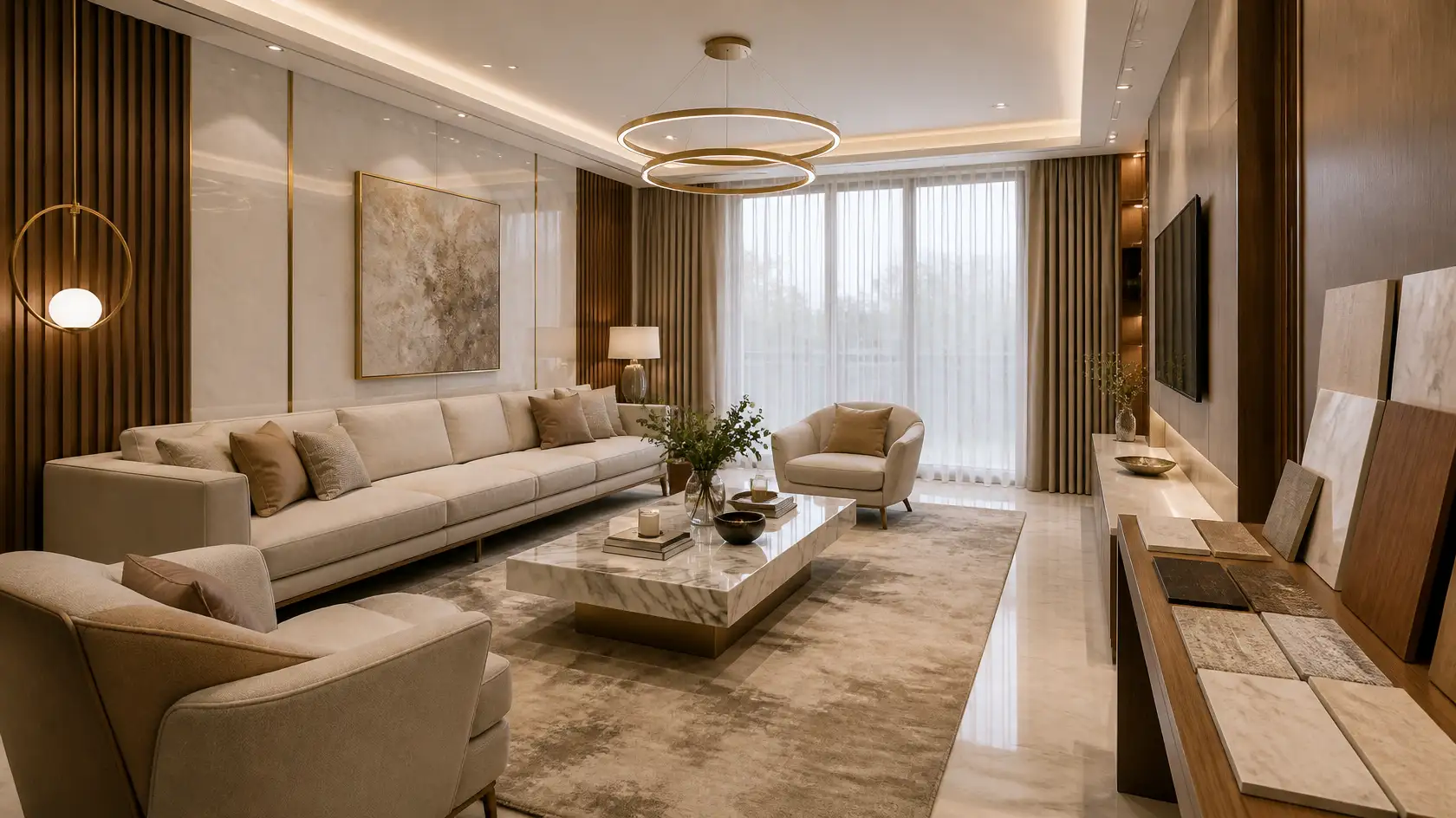
Benefits of Hiring Professional Interior Designers: Why Expert Design Matters
Designing a beautiful and functional interior requires more than choosing attractive furniture, selecting colours, or following the latest design trends. Every successful interior project involves careful planning, space management, material selection, lighting, furniture coordination, and attention to detail.
Whether you are designing a new home, renovating an apartment, upgrading an office, or creating a commercial environment, professional interior designers can help turn your ideas into a well-organised and visually appealing space.
Hiring a professional interior designer can also make the project easier to manage. From understanding your requirements and developing design concepts to selecting materials and coordinating different interior elements, an experienced designer helps guide important decisions throughout the process.
For homeowners and businesses, professional interior design is not simply about improving appearance. It is about creating spaces that support everyday activities, reflect personal or business identity, and make better use of available space.
In this guide, we explore the major benefits of hiring professional interior designers, what services they provide, how they improve project planning, and how to choose the right interior design company.
What Does a Professional Interior Designer Do?
A professional interior designer plans and develops interior spaces according to the client’s requirements, available area, design preferences, functionality, and budget.
Their role combines creative thinking with practical planning to create interiors that are attractive, comfortable, and suitable for their intended use.
Depending on the project scope, professional interior design services may include:
- Understanding the client’s requirements and lifestyle.
- Space planning and furniture layouts.
- Interior design concepts and mood boards.
- Colour palette development.
- Material and finish selection.
- Lighting concepts and planning.
- Furniture and décor selection.
- Custom furniture and cabinetry design.
- 3D visualisation and design presentations.
- Design documentation and coordination.
- Coordination with fit-out contractors and other specialists where agreed.
The exact services vary between companies. Before starting a project, clients should confirm whether the designer provides design consultation only, detailed drawings, procurement assistance, fit-out coordination, or complete project execution.
12 Major Benefits of Hiring Professional Interior Designers
1. Better Space Planning and Utilisation
One of the biggest benefits of hiring a professional interior designer is making better use of available space.
A room may look spacious but still feel uncomfortable if furniture is poorly positioned or movement is restricted. Similarly, a small apartment can become more functional with carefully planned furniture, storage, and room layouts.
Professional designers consider:
- Room dimensions and proportions.
- Furniture placement.
- Door and window positions.
- Natural light.
- Storage requirements.
- Movement and circulation.
- Functional areas.
- Visual balance.
For example, in a small apartment, a designer may recommend built-in wardrobes, multifunctional furniture, and a practical living room arrangement to improve the available space.
For commercial properties, effective space planning can support employee movement, customer experience, and daily business operations.
2. Access to Professional Design Knowledge
Interior design involves understanding how different elements work together. Furniture, colours, materials, lighting, textures, and room proportions all influence the final appearance.
Professional designers use their knowledge of interior design principles to develop coordinated spaces.
They can help clients understand:
- Which colours complement each other.
- How different materials work together.
- Which furniture proportions suit a room.
- How lighting changes the appearance of finishes.
- How to balance decorative and functional elements.
- How to maintain consistency between rooms.
This guidance can help avoid design decisions that may look attractive individually but do not work well together.
3. Create a Personalised Interior
Every homeowner and business has different requirements. A family home, corporate office, restaurant, hotel, and retail showroom should not all follow the same design approach.
Professional interior designers consider the client’s preferences, lifestyle, business identity, and functional needs before developing a design concept.
Personalisation may involve:
- Custom furniture.
- Selected colour combinations.
- Individual room layouts.
- Unique feature walls.
- Tailored storage solutions.
- Specific lighting arrangements.
- Decorative details.
- Materials suited to the intended environment.
For example, a modern family home may require comfortable seating, organised storage, and practical materials, while a corporate office may prioritise professional presentation, meeting spaces, and efficient workstations.
4. Improve Functionality and Comfort
An attractive interior should also be comfortable and practical.
Professional designers consider how occupants will use the space throughout the day. They plan layouts and interior elements around activities rather than focusing only on appearance.
Examples include:
- Comfortable furniture arrangements.
- Practical kitchen layouts.
- Suitable bedroom storage.
- Well-planned workspaces.
- Functional dining areas.
- Appropriate lighting for different activities.
- Convenient movement between rooms.
In commercial spaces, functional planning can also improve customer movement, staff convenience, and the overall experience of visitors.
5. Save Time and Reduce Design Confusion
Planning an interior project independently can involve many decisions, including furniture selection, materials, colours, lighting, measurements, suppliers, and installation requirements.
Without a clear plan, clients may spend significant time comparing products and changing design decisions.
A professional interior designer helps organise the process by developing a clear design direction and presenting suitable options.
This can make it easier to:
- Establish project priorities.
- Review design concepts.
- Compare materials.
- Finalise furniture layouts.
- Coordinate design decisions.
- Prepare information for implementation.
The designer’s role and responsibilities should be agreed upon at the beginning of the project so that communication and expectations remain clear.
6. Better Material and Finish Selection
Material selection affects the appearance, durability, maintenance, and cost of an interior.
A professional designer can help compare suitable materials based on their intended application and the client’s requirements.
Common interior materials include:
- Porcelain and ceramic tiles.
- Natural stone.
- Engineered wood.
- Laminate finishes.
- Decorative wall panels.
- Glass.
- Metal finishes.
- Upholstery fabrics.
- Paint and wallpaper.
- Furniture board products.
For example, a high-traffic commercial reception area may require durable and easy-to-maintain surfaces, while a residential bedroom may prioritise comfort and a warm appearance.
Designers can also help clients review samples and coordinate finishes before final selection.
7. Create a Consistent Interior Design Theme
A well-designed property should feel coordinated rather than like a collection of unrelated rooms.
Professional designers develop a consistent design direction through colours, materials, furniture styles, lighting, and decorative elements.
A coordinated interior may include:
- Matching or complementary colour palettes.
- Consistent flooring choices.
- Coordinated furniture finishes.
- Related lighting styles.
- Complementary wall treatments.
- Balanced decorative accessories.
Consistency does not mean every room must look identical. Each room can have its own character while maintaining a connection with the overall interior concept.
8. Make Better Use of Your Budget
Hiring an interior designer involves a professional fee, but design planning can help clients make more informed financial decisions.
A designer can help establish priorities, compare materials, and select furniture and finishes that match the available budget.
Budget planning may involve:
- Identifying essential design requirements.
- Separating essential items from optional upgrades.
- Comparing material alternatives.
- Planning custom furniture requirements.
- Reviewing furniture dimensions before purchase.
- Reducing unnecessary decorative purchases.
- Prioritising important improvements.
Professional design does not automatically make a project cheaper. The final cost depends on the scope, materials, specifications, and implementation requirements.
However, a clearly planned project can help reduce avoidable changes and purchasing mistakes.
9. Access to Custom Furniture and Storage Solutions
Standard furniture does not always fit the dimensions or functional requirements of a property.
Professional designers can develop customised furniture concepts that make better use of available space and support the overall design.
Common custom furniture solutions include:
- Built-in wardrobes.
- Modular kitchen cabinets.
- TV units.
- Reception desks.
- Office workstations.
- Display cabinets.
- Storage shelves.
- Custom beds and headboards.
- Dining furniture.
- Wall-mounted storage.
Custom furniture is particularly useful for apartments, compact bedrooms, offices, and commercial spaces where efficient storage and specific dimensions are important.
10. Improve Lighting and Interior Atmosphere
Lighting has a significant impact on the appearance and usability of an interior.
Professional designers consider how natural and artificial lighting work together to create a comfortable environment.
A balanced lighting plan typically includes:
Ambient lighting: Provides general illumination throughout the space.
Task lighting: Supports specific activities such as cooking, reading, studying, and working.
Accent lighting: Highlights artwork, decorative walls, furniture, and architectural details.
Lighting options may include recessed lights, pendant fixtures, wall lights, track lighting, decorative lamps, and concealed LED strips.
The selection should consider room function, lighting levels, colour temperature, energy use, and the overall design concept.
11. Support Commercial Branding and Business Identity
For businesses, interior design can contribute to brand presentation and customer experience.
A commercial interior should reflect the company’s identity while supporting the activities carried out within the property.
Professional designers can help businesses develop interiors for:
- Corporate offices.
- Retail stores.
- Restaurants.
- Cafés.
- Hotels.
- Showrooms.
- Reception areas.
- Customer service spaces.
Design elements such as colours, materials, furniture, lighting, signage coordination, and display arrangements can help create a recognisable business environment.
For example, a retail showroom may require organised product displays, while a corporate office may need a professional reception area and practical meeting rooms.
12. Better Coordination During Project Implementation
Interior design decisions often affect other parts of a project, including furniture production, electrical requirements, lighting, ceilings, flooring, and fit-out work.
Design coordination helps communicate requirements before installation begins.
Depending on the agreed scope, a designer may assist with:
- Reviewing design drawings.
- Confirming material specifications.
- Coordinating furniture dimensions.
- Reviewing samples.
- Communicating design requirements.
- Coordinating with fit-out contractors.
- Reviewing completed design elements.
The designer’s involvement during execution should be clearly defined. Site supervision, contractor management, procurement, and technical approvals may be separate services.
Benefits of Hiring Interior Designers for Different Property Types
The advantages of professional interior design can vary depending on the type of property and how the space will be used.
| Property type | Main design benefits |
| Apartments | Better space utilisation, storage, and furniture planning |
| Luxury villas | Coordinated interiors, personalised rooms, and premium finishes |
| Offices | Functional workspaces, meeting areas, and brand presentation |
| Restaurants | Customer comfort, seating layouts, and coordinated interiors |
| Hotels | Guest experience, consistent design, and practical room planning |
| Retail stores | Product displays, customer movement, and visual branding |
| Showrooms | Organised displays and attractive presentation areas |
A successful design should always reflect the specific requirements of the property rather than relying on a standard layout.
Professional Interior Designer vs DIY Interior Design
Some property owners prefer to manage their interior projects independently. This can work for smaller projects, but professional guidance may be useful when the design involves multiple rooms, customised furniture, complex layouts, or commercial requirements.
| Professional interior designer | DIY interior design |
| Provides structured design planning | Requires the owner to manage planning |
| Helps coordinate colours and materials | Owner researches and selects finishes |
| Develops furniture layouts | Owner determines furniture placement |
| Can prepare design concepts and drawings | Drawings may need to be arranged separately |
| Offers guidance on space utilisation | Decisions depend on the owner’s knowledge |
| May coordinate with project specialists | Owner manages different suppliers and contractors |
| Provides a defined design process | Project organisation depends on the owner |
The right choice depends on project size, complexity, available time, and the client’s confidence in managing design decisions.
When Should You Hire a Professional Interior Designer?
Professional interior design services can be useful at different stages of a property’s development.
Consider hiring a designer when:
- You are moving into a new apartment or villa.
- You are renovating an existing home.
- You want to redesign your living room or bedroom.
- You need customised kitchen cabinets or wardrobes.
- You are setting up a new office.
- You are opening a restaurant or retail store.
- You want to improve storage and space utilisation.
- You need a consistent design theme throughout the property.
- You are planning a commercial interior fit-out.
- You want professional guidance before purchasing furniture and finishes.
Involving a designer early can help identify design requirements before purchasing materials or beginning installation work.
How to Choose the Right Professional Interior Designer
Selecting the right interior designer is an important part of the project planning process.
Before making a decision, consider the following factors.
1. Review the Portfolio
Examine previous projects to understand the designer’s style, design quality, and experience with different property types.
Look for projects that are relevant to your requirements.
2. Check Relevant Experience
Residential and commercial interiors involve different planning considerations. Choose a designer whose experience matches the intended project.
3. Understand the Services Offered
Ask whether the company provides:
- Design consultation.
- Space planning.
- Concept development.
- 3D visualisation.
- Detailed drawings.
- Material selection.
- Custom furniture design.
- Procurement assistance.
- Fit-out coordination.
- Site supervision.
Confirm which services are included in the quotation.
4. Discuss Your Budget
Share your approximate budget before design development begins. This helps the designer recommend appropriate materials, furniture, and design solutions.
5. Review Communication and Process
A clear design process should include project discussions, design presentations, revisions, approvals, and documented decisions.
Ask how progress and design changes will be communicated.
6. Understand the Quotation
Review design fees, deliverables, revision limits, exclusions, payment terms, and additional services.
If fit-out work is included, review the material specifications, quantities, installation scope, and project responsibilities separately.
7. Check Project References
Where possible, review completed work or speak with previous clients to understand their experience with communication, design delivery, and project coordination.
Common Mistakes to Avoid When Hiring an Interior Designer
Choosing a designer without understanding the service scope can lead to confusion and unrealistic expectations.
Avoid these common mistakes:
- Selecting a designer based only on the lowest quotation.
- Not reviewing previous projects.
- Failing to communicate your lifestyle or business requirements.
- Ignoring the importance of space planning.
- Changing the design repeatedly after approval.
- Choosing materials without checking their suitability.
- Not confirming the number of design revisions.
- Assuming fit-out execution is automatically included.
- Not defining responsibilities for technical services.
- Failing to document final design approvals.
A clear agreement and a well-defined project brief can help prevent many of these issues.
Why Choose SHADOW for Interior Design Solutions?
Creating a well-designed interior requires an understanding of the space, the client’s requirements, material selection, furniture planning, and the relationship between different design elements.
SHADOW focuses on interior design and related furniture and interior solutions for residential and commercial environments.
A thoughtful design approach can help clients explore suitable solutions for:
- Modern apartment interiors.
- Luxury villa interiors.
- Office interior design.
- Restaurant and café interiors.
- Hotel and hospitality interiors.
- Customised furniture.
- Modular kitchen concepts.
- Wardrobes and cabinetry.
- Interior space planning.
Each project should begin with a clear understanding of the property, preferred design style, functional requirements, and budget.
SHADOW can discuss your interior requirements and help identify suitable design and furniture solutions within the agreed project scope.
Planning to transform your home or commercial space? Contact SHADOW to discuss your interior design requirements and explore professional design solutions for your property.
Frequently Asked Questions
1. What are the benefits of hiring a professional interior designer?
A professional interior designer can help improve space utilisation, coordinate colours and materials, develop functional layouts, plan lighting, select furniture, and create a consistent interior design.
2. Is hiring an interior designer worth it?
It can be valuable when a project involves multiple rooms, custom furniture, complex layouts, or commercial requirements. Professional planning may also help reduce avoidable design changes and purchasing mistakes.
3. What services do professional interior designers provide?
Services may include design consultation, space planning, concept development, material selection, colour coordination, lighting concepts, furniture planning, custom furniture design, and design documentation.
4. Can an interior designer help with small apartments?
Yes. Designers can help small apartments make better use of available space through practical layouts, multifunctional furniture, built-in storage, and suitable colour and lighting choices.
5. Do interior designers help select furniture?
Yes. Depending on the agreed service, designers can recommend furniture styles, dimensions, materials, colours, and layouts that complement the interior concept.
6. Can an interior designer help reduce project costs?
A designer can help establish priorities, compare material alternatives, plan purchases, and reduce unnecessary design changes. However, professional design does not guarantee a lower overall project cost.
7. What is the difference between an interior designer and an interior decorator?
Interior designers generally work on space planning, layouts, functionality, materials, lighting, and design development. Interior decorators primarily focus on the visual styling of an existing space through furniture, colours, fabrics, accessories, and decorative elements. The responsibilities may overlap depending on the provider.
8. How early should I hire an interior designer?
It is generally beneficial to involve a designer before major renovation work, furniture purchases, or fit-out installation begins. Early planning helps coordinate layouts, materials, and technical requirements.
9. Do professional interior designers provide 3D designs?
Many interior design companies offer 3D visualisations as part of their services. Clients should confirm whether these are included in the quotation and how many revisions are available.
10. Do interior designers manage fit-out projects?
Some companies offer fit-out coordination or execution in addition to design services. Others provide design documentation only. Confirm the company’s responsibilities, contractor arrangements, and site supervision scope before signing an agreement.
11. How do I select a reliable interior design company?
Review the portfolio, relevant experience, service scope, design process, quotation, client references, communication practices, and project responsibilities before making a decision.
12. Can interior designers work on residential and commercial properties?
Yes. Many interior design companies work across residential and commercial projects, although their service capabilities and experience may differ by property type.
Conclusion
Hiring professional interior designers can make a significant difference to the planning, appearance, and functionality of a property. From improving space utilisation and selecting suitable materials to creating customised furniture and coordinated layouts, professional design guidance helps bring different interior elements together.
Whether you are designing an apartment, upgrading a villa, planning an office, or developing a commercial space, the right interior design approach should reflect your requirements, lifestyle, business identity, and available budget.
A successful interior is not simply about following trends. It is about creating a practical, comfortable, and visually balanced environment that works for the people who use it.
Looking for professional interior design solutions? Contact SHADOW to discuss your project and explore ways to transform your residential or commercial space.


