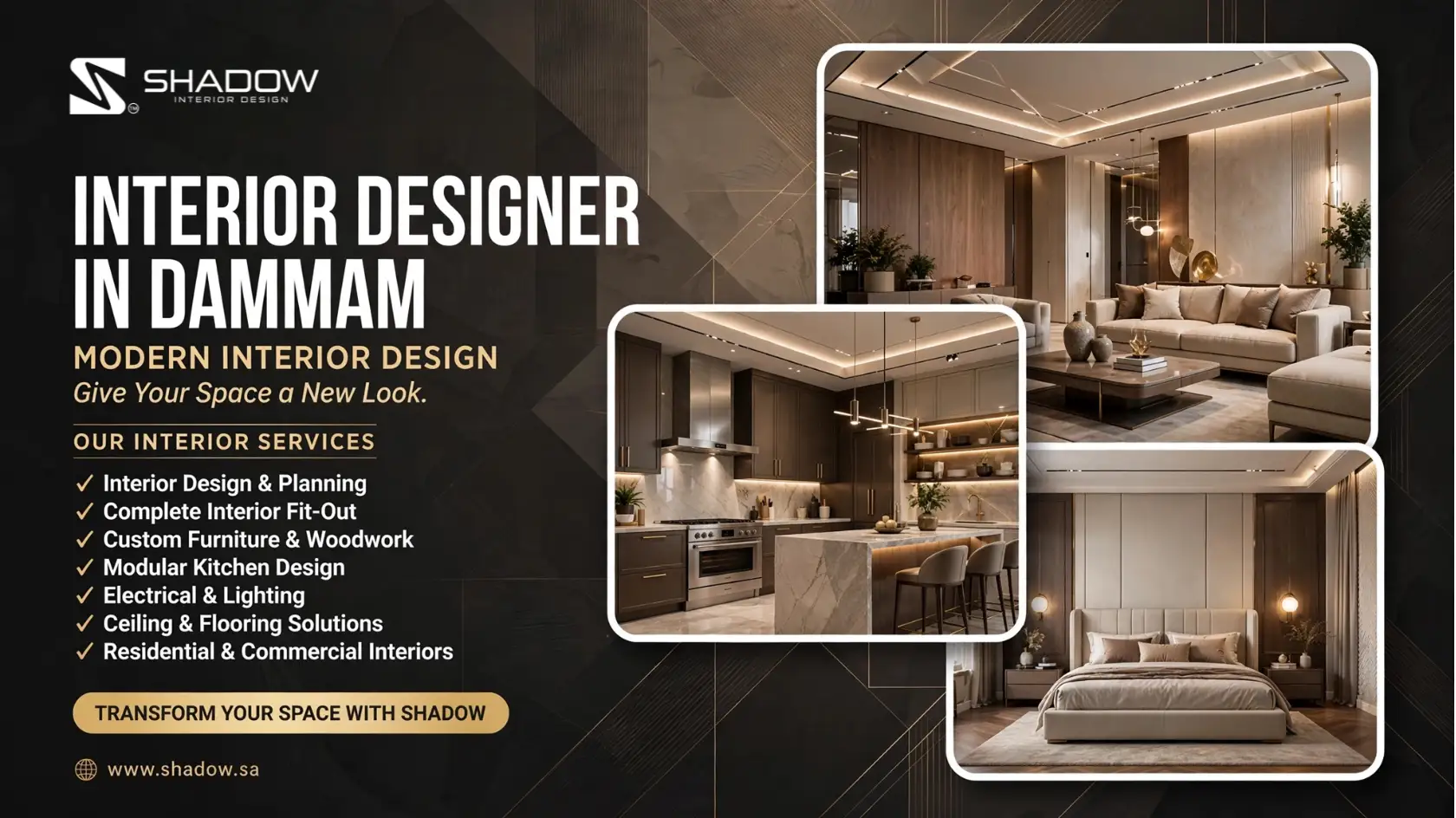
Interior Designer in Dammam: How to Create a Stylish and Functional Space
Choosing the right interior designer in Dammam is an important step when planning a new home, renovating an existing property, or developing a commercial space. A well-designed interior should look attractive while supporting everyday activities, making effective use of available space and reflecting the preferences of the people who use it.
Whether you are designing a villa, apartment, office, restaurant or retail environment, professional interior design can help bring your ideas together through thoughtful space planning, furniture selection, lighting, colours and materials.
Dammam has a varied interior design market, with providers offering services for residential properties, corporate offices, commercial spaces and hospitality projects. Understanding their expertise and comparing their services can help you make a more informed decision.
This guide explains what an interior designer does, the services available, important design considerations, and how to choose the right design partner for your project in Dammam.
What Does an Interior Designer Do?
An interior designer plans and develops indoor spaces to improve their appearance, functionality and usability. The process involves understanding the client’s requirements and translating them into a coordinated design concept.
Interior design involves several elements, including:
- Space planning and furniture arrangement.
- Colour combinations and material selection.
- Lighting concepts.
- Storage and cabinetry planning.
- Interior finishes and decorative details.
- Design drawings and 3D visualisation.
- Coordination of design elements.
The designer considers the purpose of each room, the available floor area, the client’s preferences and the practical requirements of the property.
The objective is to create an interior that balances visual appeal with everyday functionality.
Interior Design Services in Dammam
Interior design requirements vary according to property type and project objectives. Professional designers may provide different services depending on their expertise and agreed scope.
1. Residential Interior Design
Residential interior design focuses on creating comfortable and practical living environments.
Common residential projects include:
- Villa interior design.
- Apartment interior design.
- Living room design.
- Bedroom interior design.
- Dining room design.
- Kitchen interior design.
- Majlis design.
- Wardrobes and storage solutions.
A residential designer considers family requirements, privacy, furniture dimensions, storage, lighting, and the overall atmosphere of the home.
2. Commercial Interior Design
Commercial interior design focuses on creating spaces that support business activities and customer experiences.
Typical projects include:
- Corporate offices.
- Reception areas.
- Retail stores.
- Restaurants and cafés.
- Hotels and hospitality spaces.
- Showrooms.
- Clinics and other business environments.
Commercial interiors should reflect the company’s identity while providing practical layouts for employees, customers and visitors.
3. Office Interior Design
Office interior design helps organisations create productive, organised and comfortable working environments.
Important design elements include:
- Reception and waiting areas.
- Workstations.
- Private offices.
- Meeting rooms.
- Conference areas.
- Breakout spaces.
- Storage and cabinetry.
- Lighting and furniture arrangements.
The design should reflect how employees work and how different departments use the available space.
4. Kitchen and Modular Furniture Design
Kitchen design requires careful consideration of layout, storage, work areas, materials and functionality.
Modular kitchens can help organise cabinets, drawers and storage according to the available space.
A kitchen design proposal may consider:
- Cabinet layouts.
- Countertop materials.
- Storage arrangements.
- Cabinet finishes.
- Lighting.
- Appliance positioning.
- Practical movement between work areas.
5. Wardrobes and Cabinetry
Custom wardrobes and cabinetry can improve storage and help maintain a coordinated interior style.
Common solutions include bedroom wardrobes, walk-in closets, kitchen cabinets, office storage and built-in furniture.
Dimensions, internal storage arrangements, materials and finishes should be finalised before production.
6. Interior Fit-Out and Finishing
Interior fit-out relates to the physical preparation and completion of interior spaces according to an approved design and agreed project scope.
Depending on the service provider, this may involve partitions, ceilings, flooring, wall finishes, joinery and furniture installation.
Before appointing a company, confirm whether it provides design only, fit-out execution, or both.
Why Hire a Professional Interior Designer?
Professional interior design can help clients make more informed decisions and create spaces that meet their requirements.
Better Use of Available Space
A designer evaluates the room dimensions, furniture requirements, and movement between different areas. This can help improve the use of available floor space.
Coordinated Colours and Materials
Choosing individual finishes without an overall plan can create an inconsistent appearance. A design concept helps coordinate flooring, wall finishes, furniture, colours and decorative elements.
Functional Furniture Arrangements
Furniture should be selected and positioned according to the size and purpose of each room. Professional planning can help avoid overcrowding and improve usability.
Improved Lighting Design
Lighting influences the appearance and functionality of an interior. Designers can consider general lighting, task lighting and accent lighting according to the activities performed in each area.
Better Project Visualisation
Design drawings and 3D visualisations can help clients understand the proposed interior before approving major design decisions.
More Organised Planning
A documented design process helps clients review layouts, material selections, furniture requirements, and revisions before implementation.
Interior Design Ideas for Homes in Dammam
Residential design should reflect the household’s lifestyle, preferences, and property layout.
Modern Living Room Design
Modern living rooms often combine comfortable seating, balanced lighting, coordinated colours, and carefully selected decorative elements.
Consider:
- Appropriate sofa dimensions.
- Functional seating arrangements.
- TV and media storage.
- Layered lighting.
- Wall finishes.
- Decorative accessories.
Elegant Bedroom Design
Bedrooms should provide a comfortable environment with practical storage and suitable lighting.
Design considerations include bed positioning, wardrobes, bedside furniture, window treatments, colour selection, and lighting.
Functional Kitchen Design
A well-planned kitchen should make cooking, storage, and cleaning convenient.
Cabinet layouts, countertop space, appliance positioning, and durable materials should be considered together.
Modern Majlis Design
A majlis should reflect the household’s preferred style while providing suitable seating and guest accommodation.
Furniture dimensions, circulation, lighting, privacy, and decorative details all contribute to the overall design.
Commercial Interior Design Considerations in Dammam
Commercial properties have different design requirements from residential spaces. The interior should support business activities and create an appropriate experience for customers and employees.
Office Reception and Lobby Design
Reception areas create an important first impression. Furniture, lighting, branding elements and seating arrangements should work together to communicate the organisation’s identity.
Restaurant and Café Interiors
Restaurant design should consider customer seating, movement, lighting, atmosphere and the practical requirements of daily operations.
Retail Store Interiors
Retail design can influence how customers move through a store and interact with products.
Product displays, circulation, lighting, storage, and brand presentation should be considered during planning.
Hotel and Hospitality Interiors
Hospitality interiors should balance visual presentation, guest comfort, functionality, and consistent design details across different areas.
How to Choose the Right Interior Designer in Dammam
Before hiring an interior designer, compare providers based on their experience, portfolio, process, and service scope.
1. Review Previous Projects
Look for projects that match your property type and design requirements.
For example, if you are planning an office, review office interiors rather than relying only on residential project photographs.
Ask whether the images show completed work or proposed 3D designs.
2. Check Design Experience
Consider the designer’s experience with similar property sizes, project types, and design requirements.
Relevant experience is more useful than selecting a provider based only on the number of projects displayed online.
3. Understand the Design Process
Ask how the designer manages consultations, measurements, concept development, presentations, revisions, and final approvals.
A clear process helps you understand what to expect at each stage.
4. Review Design Deliverables
Confirm whether the proposal includes:
- Initial consultation.
- Site measurements.
- Space planning.
- 2D floor layouts.
- 3D visualisation.
- Material and colour selection.
- Furniture specifications.
- Technical drawings.
- Design revisions.
Not all deliverables are automatically included in every design package.
5. Compare Quotations
Compare proposals using the same project requirements. Review design fees, included services, material specifications, payment terms, and additional charges.
6. Confirm Execution Responsibilities
If you need physical fit-out work, ask who will manage the execution, procurement, installation, and site coordination.
A design-only agreement should not be assumed to include construction or installation services.
How Much Does Interior Design Cost in Dammam?
Interior design costs depend on the size and complexity of the project, the services required, and the materials selected.
There is no single price that applies to every property.
| Cost factor | Impact on the project |
| Property size | Larger spaces may require more design work |
| Project type | Villas, apartments and offices have different requirements |
| Design complexity | Bespoke concepts may require additional planning |
| Furniture selection | Custom furniture can influence the overall budget |
| Materials and finishes | Different specifications have different costs |
| 3D visualisation | The number and detail of visualisations may affect fees |
| Fit-out requirements | Physical execution is separate when not included |
| Design revisions | Additional changes may involve extra charges |
Tips for Planning Your Interior Design Budget
Before requesting a proposal:
- Identify the rooms or areas you want to redesign.
- Prepare floor plans or approximate measurements.
- Collect reference photographs of preferred styles.
- List essential furniture and storage requirements.
- Decide whether you need design only or design and execution.
- Establish an approximate budget.
- Request a detailed quotation with inclusions and exclusions.
Preparing these details can help an interior designer understand your requirements more accurately.
Interior Design Trends for Modern Dammam Properties
Design trends can provide inspiration, but the final design should suit the property and the people using it.
Modern Minimalist Design
Minimalist interiors use clean lines, simple furniture, and carefully selected decorative elements to create uncluttered spaces.
Natural Materials and Textures
Wood finishes, stone-inspired surfaces, and textured materials can add warmth and visual interest.
Neutral Colour Palettes
Neutral colours can create a balanced foundation for furniture, decorative elements and accent colours.
Customised Furniture
Bespoke furniture can help maximise storage and create a more coordinated appearance.
Functional Lighting
Combining ambient, task and accent lighting can improve the atmosphere and usability of different rooms.
Common Interior Design Mistakes to Avoid
Careful planning can help prevent unnecessary changes and improve the final result.
- Choosing furniture without checking room dimensions.
- Ignoring storage requirements.
- Selecting materials without considering maintenance.
- Using insufficient lighting.
- Overcrowding rooms with decorative elements.
- Changing the design repeatedly without reviewing the budget.
- Failing to confirm the fit-out scope.
- Approving a design without reviewing its layouts and specifications.
Discussing these details early can make the project easier to manage.
Why Choose SHADOW for Interior Design Solutions?
SHADOW offers interior design and related furniture solutions for residential and commercial environments.
A successful interior project requires coordination between space planning, furniture, materials, finishes, and the way people use the space.
SHADOW’s relevant service areas include:
- Interior design and space planning.
- Office interior design.
- Modular kitchen solutions.
- Customised office furniture.
- Wardrobes and cabinetry.
- Hotel and hospitality interiors.
- Institutional furniture.
- Furniture installation, refurbishment and after-sales services.
- Interior fit-out and related design solutions.
The exact service availability and execution scope for projects in Dammam should be confirmed with the SHADOW team before making a commitment.
Whether you are planning a home interior, improving an office, or developing a commercial environment, a clear design brief can help establish the right direction.
Planning an interior design project in Dammam?
Explore SHADOW’s interior design solutions and discuss your requirements with the team.
Website: https://shadow.sa/
Frequently Asked Questions About Interior Designers in Dammam
1. How do I find a professional interior designer in Dammam?
Review portfolios, previous projects, relevant experience, design services, and client communication. Compare proposals based on the same requirements before selecting a designer.
2. What services does an interior designer provide?
Services may include interior design, space planning, 3D visualisation, material selection, furniture planning, residential interiors, and commercial design.
3. How much does an interior designer charge in Dammam?
Fees depend on project size, complexity, design deliverables, materials, and whether execution is included. Request a project-specific quotation for accurate pricing.
4. Can an interior designer work on villas and apartments?
Yes. Residential interior designers may work on villas, apartments, bedrooms, living rooms, kitchens, majlis areas and other parts of a home.
5. Do interior designers provide 3D designs?
Many interior designers provide 3D visualisations to help clients review the proposed appearance, furniture arrangements, colours and finishes before implementation.
6. What is the difference between interior design and interior fit-out?
Interior design focuses on the planning and appearance of a space. Interior fit-out involves the physical preparation and completion of the interior according to an agreed scope.
7. How long does an interior design project take?
The timeline depends on the property size, design complexity, number of revisions, material selection, and whether fit-out execution is included.
8. Can I customise furniture for my interior project?
Custom furniture and cabinetry may be included in a project depending on the designer’s services and the agreed scope. Confirm the dimensions, materials, finishes, and installation responsibilities.
9. What should I prepare before meeting an interior designer?
Prepare property measurements, floor plans, photographs, design references, budget expectations, and a list of the areas you want to improve.
10. Does SHADOW provide interior design services in Dammam?
SHADOW offers interior design and related furniture solutions. Contact the company to confirm current service availability, project suitability, and the scope of work for Dammam.
Conclusion
Choosing the right interior designer in Dammam involves understanding your project requirements, reviewing relevant experience, and comparing design services carefully.
A well-planned interior should combine visual appeal, functionality, suitable materials, and practical furniture arrangements. With a clear brief and an organised design process, you can make more informed decisions for your residential or commercial property.
For interior design, space planning, and furniture-related enquiries, explore SHADOW and discuss your project requirements with the team.


